
 3 years ago
44
3 years ago
44
ARTICLE AD BOX
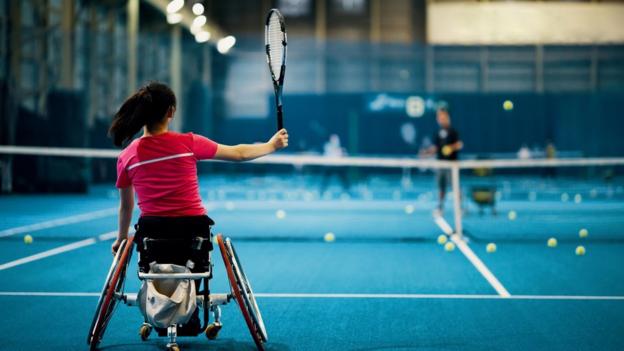 58% of younger disabled people surveyed say the cost-of-living crisis has reduced how active they are.
The cost-of-living crisis has made it harder for disabled people in the UK to be active, a survey suggests.
According to Activity Alliance, 37% of disabled people say financial worries affect how active they are.
That compares with 32% of non-disabled people, says the charity, a campaigner for disabled people's access to sport.
The study is a "stark reminder" that more action is needed to help disabled people play sport, says Sport England chief executive Tim Hollingsworth.
In its fourth annual Disability and Activity Survey report, Activity Alliance questioned almost 2,000 people across the UK aged 16 and over - with just under 1,000 disabled people and a similar number of non-disabled people taking part. They were all asked about their experiences of sport and physical activity.
Despite being more likely to want to spend more on physical activity, disabled people reported spending an average of £13.40 less than non-disabled people in being active each month.
The report suggests many disabled people fear that being more active will mean they will stop receiving financial support as it might show they are no longer in need of help. For those on benefits, 37% of disabled people revealed having this anxiety.
Activity Alliance also says there is a gap in the desire to be more active, with 77% of disabled people more likely to say they want to be active compared with 54% of non-disabled people.
Hollingsworth said that this year's report highlights how the UK's cost-of-living crisis is being felt acutely by disabled people.
"The findings are a stark reminder that further and sustained action is needed to tackle the barriers faced by many disabled people when playing sport and getting active - and that remains a major element of our strategy and investment at Sport England," said Hollingsworth.
Adam Blaze, Activity Alliance's chief executive, is urging leaders and organisations to look at what changes they can make - both short and long term.
"We understand decision makers and providers are also facing economic challenges, but we must ensure that disabled people are never excluded from access to sport and physical activity," said Blaze.
Sport can also make a difference to how lonely people feel. Nearly two-thirds of disabled people who felt lonely said being active could help them feel less isolated (65%).
A similar amount of survey respondents who were disabled (64%) said the government should focus on making activities affordable to help more people to be active.

 English (US) ·