
 1 hour ago
4
1 hour ago
4
ARTICLE AD BOX
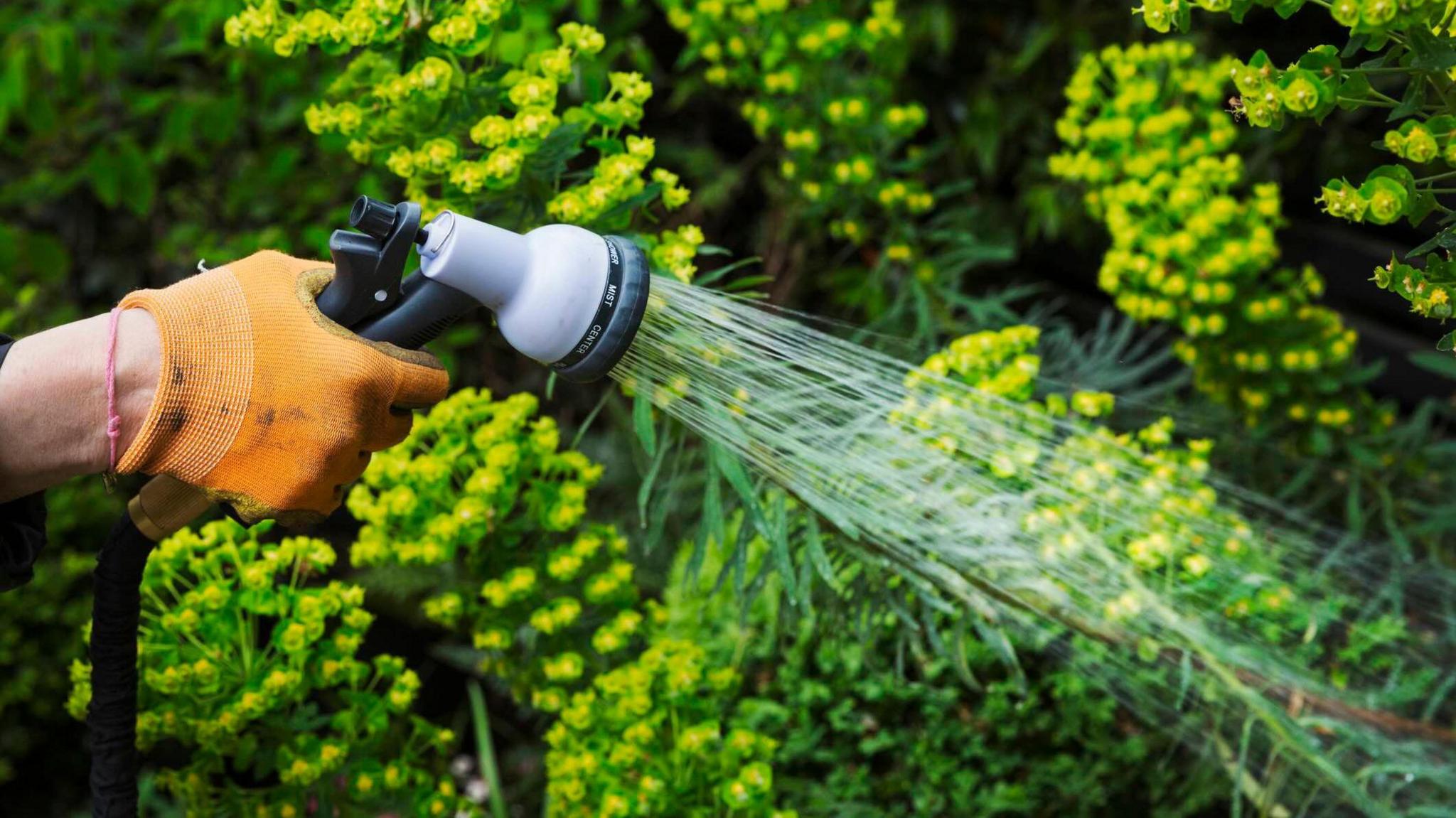 Image source, Getty Images
Thames Water's ban affects 10 million of its customers
ByShakira Abdi
Reporting fromLondon
More and more Londoners are living under a hosepipe ban as the long summer of dry weather continues.
This restriction comes after greater demand for public water supplies, which has increased by up to 30% on the hottest days this July.
Seven water companies have implemented or announced future hosepipe bans to reduce the strain on treatment works and storage during peak demand.
This includes Thames Water and Affinity Water - SES Water has no plans to announce a ban.
What does this ban cover and is anyone exempt?
Thames Water has implemented a temporary usage ban for 10.1 million customers due to a high demand for water, as a result of recent heatwaves and prolonged dry weather in the spring and summer.
The restrictions mean hosepipes should not be used for watering gardens, washing cars, allotments, filling paddling pools or swimming pools, or cleaning windows. Sprinkler systems are also part of these restrictions.
There are some exceptions to these rules and these exemptions may include:
Health and safety needs
Animal welfare, including pets, livestock, and fish
Watering food crops and certain newly planted trees
Customers who cannot reasonably adjust their water use because of severe mobility issues, a disability or medical condition
Wastewater only customers
Blue badge customers are also exempt.
The Royal Horticultural Society (RHS) has advised gardeners managing through hot weather or hosepipe restrictions, to use stored rainwater or grey water where possible and to water deeply but less frequently at the base of plants rather than little and often.
Guy Barter, chief horticulturalist at the RHS, said: "As our climate continues to change, adapting how we manage water is essential.
"During a visit to our RHS Gardens you can see what plants are working well in the current conditions and our teams are on hand to offer advice and support."
Planting more drought-tolerant species, improving soil health and increasing tree cover and shade can also make gardens more resilient in the years ahead.
What does this mean for businesses?
Businesses, public sector organisations and charities can continue to use a hosepipe where it is directly needed for their commercial activities, this includes professional cleaners and car washing services.
Hoses and sprinklers cannot be used in parks, public gardens and other green spaces however there are exemptions for health and safety and National Plant Collections.
Kew Gardens is exempt from these restrictions, but has said its horticulturists already take a number of measures and precautions to limit the usage of water.
The botanical garden in Richmond, west London, has more than 11,000 trees in its living collections.
How long will ban be in place?
There has been no end date set for the ban.
Water companies which have implemented the ban have said it will remain in place until water resources recover sufficiently, and demand returns to a sustainable level.
In the meantime, they ask customers to be mindful with how they use water.
In regards to enforcement, they have said they will get in touch with customers who repeatedly do not follow the rules and may take further action if customers ignore the ban.
They ask customers not to call 999 if they see someone using a hosepipe.
Thames Water said: "While there is enough water for essential use, we need to reduce non-essential outdoor demand to keep taps flowing."
What about water lost through leaks?
According to Greenpeace UK, water firms in England and Wales are wasting around five times more water through leaky pipes than a nationwide hosepipe ban could save.
Both Affinity and Thames Water have said they are continuing to invest in finding and fixing leaks.
A Thames Water spokesperson said: "We continue to improve our leakage performance, with leaks down 15.1% compared to the 2019/20 baseline.
"Our teams continue to work 24/7 to keep water moving, fix leaks and support customers. We will keep the situation under close review and lift restrictions as soon as it is safe to do so."
Listen to the best of BBC Radio London on Sounds and follow BBC London on Facebook, external, X, external and Instagram, external. Send your story ideas to hello.bbclondon@bbc.co.uk, external



 English (US) ·