
 3 weeks ago
36
3 weeks ago
36
ARTICLE AD BOX
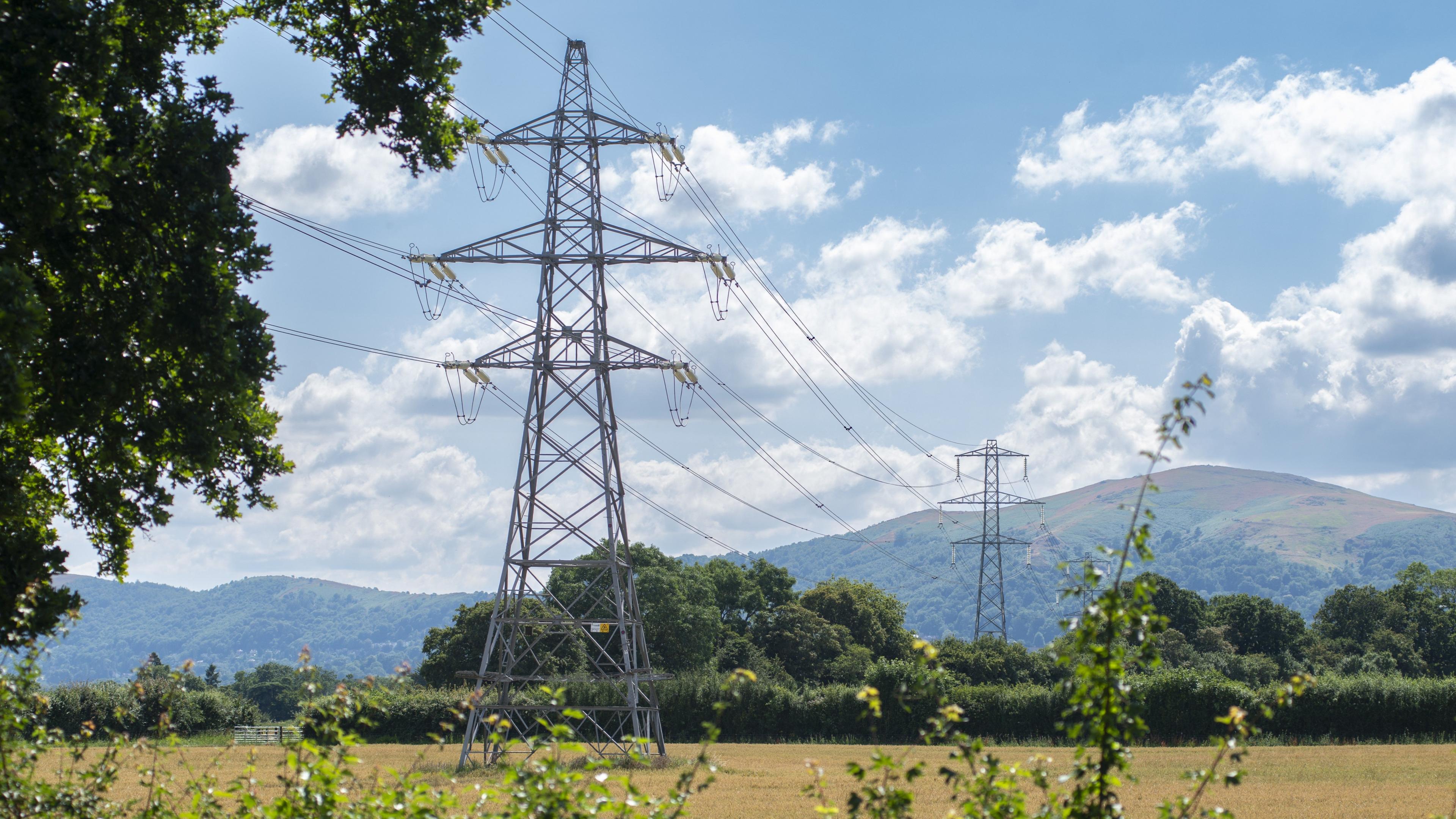 Image source, David Griffin
Green Gen Cymru hopes to build three major new electricity pylon routes spanning 200km in total
A firm planning major new pylon routes through Wales needs to better inform residents before accessing their land, a judge has ruled.
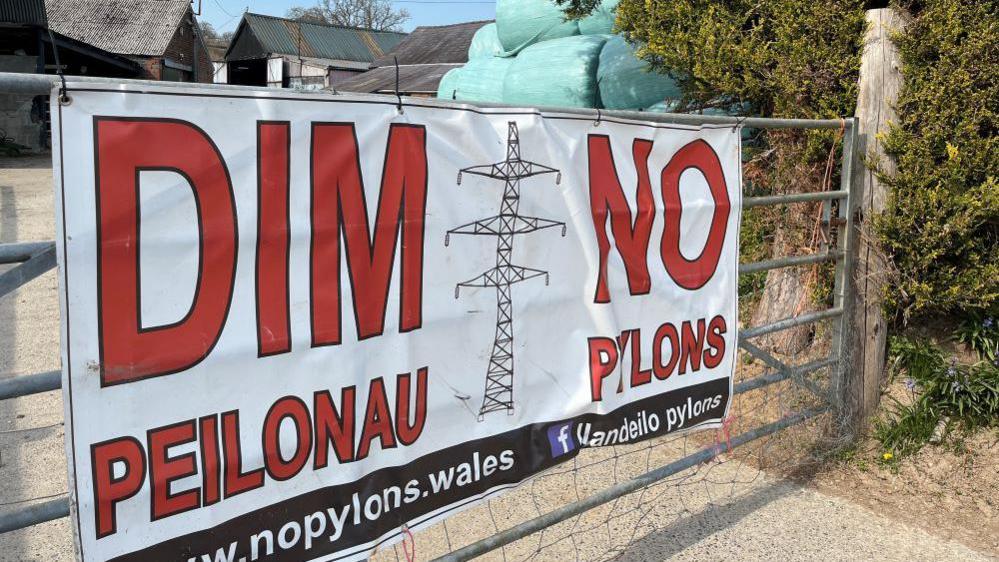
Groups representing more than 500 landowners took Green Gen Cymru to court, claiming they were left "frightened and intimidated" by company agents turning up on their farms.
A judge said the company should do more to give landowners proper notice and criticised its "failure to grapple" with the risk of spreading livestock diseases from farm to farm.
Green Gen said it was "committed to carrying out our work responsibly" to "deliver a secure and resilient energy network for Wales".
Lawyers acting on the landowners' behalf said they had been "vindicated".
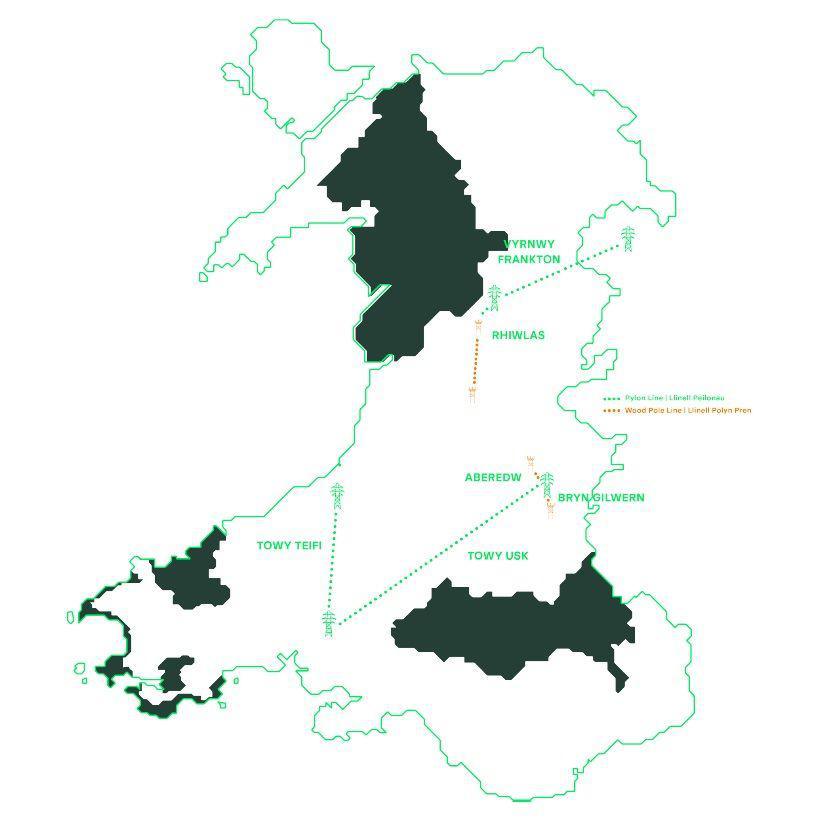 Image source, Green GEN Cymru
A Green Gen Cymru graphic showing their proposed pylon routes
Green Gen, owned by parent company Bute Energy, hopes to build three major electricity pylon routes connecting planned onshore windfarms in mid and west Wales with the wider grid network.
Proposals affect parts of Carmarthenshire, Ceredigion and Powys - with one of the routes stretching across the Welsh border into Shropshire.
Supporters say Wales' electricity grid is not fit for purpose, holding back renewable energy schemes and the roll-out of low carbon technologies such as electric cars and heat pumps.
The company has statutory powers to access land due to its work on what would be nationally significant energy infrastructure.
But it has found itself in a dispute with hundreds of farmers and landowners, who have accused its agents of acting in a heavy-handed way.
Green Gen Cymru will now have to pay 60% of the claimant's costs, amounting to £21,000 alongside their own legal fees.
In a judgement issued on Monday, High Court Judge Mr Justice Kimblin concluded there was evidence the company had "in some instances" served notices to access land "with insufficient regard to the requirement to give proper notice and to enter land at reasonable times".
A notice issued to the lead claimant in the case, Natalie Barstow, was "unduly broad and lacking in particularity", he said.
However he also found no action was taken under that notice "other than a minor and inadvertent entry" onto her land in July 2025, and refused to quash legal notices issued by the company for accessing land.
Mr Justice Kimblin said developers must give proper notice to enter and survey private land, allowing landowners time to prepare, and could not rely on notices months or years after they were given.
This was "taking all of the benefit of the access and taking none of the burden of properly thinking about what is reasonable in the circumstances", he said.
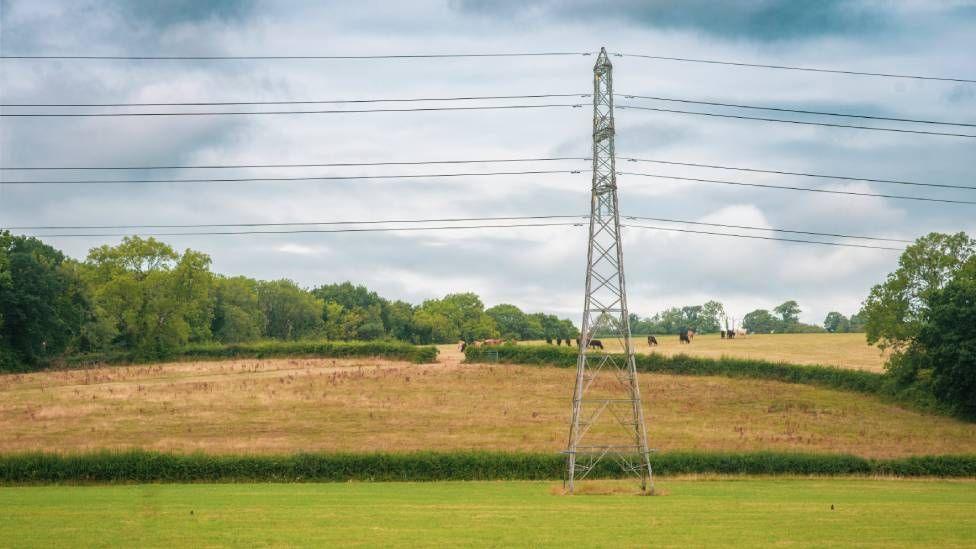 Image source, David Griffin
Wales' grid network is widely acknowledged as not fit for purpose
Kimblin said Green Gen Cymru had failed to "grapple with the risks of transmission of [bovine] TB" when entering private land - but found the company had not breached environmental law.
He noted the company had made improvements in response to the landowners' concerns, with new policies on survey access, protected species and habitats and vulnerable people.
It had also carried out training to ensure "consistent implementation", it was heard, and statutory notices had been improved to give clearer advance notice, invite landowners to share site-specific issues and direct recipients to "biosecurity guidance".
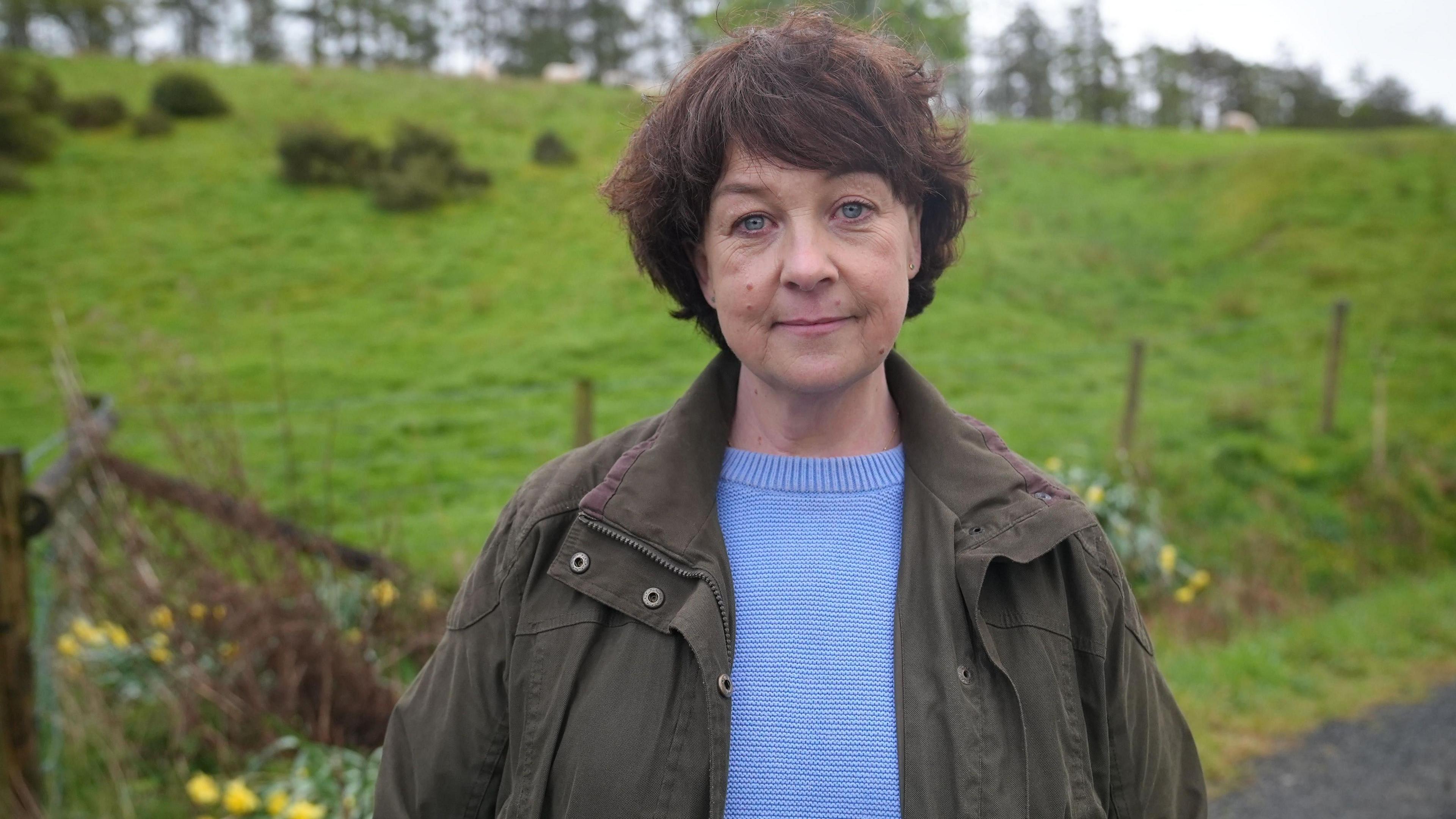
Natalie Barstow says the case could have far-reaching consequences
Natalie Barstow, the lead claimant who runs a farm and campsite near Builth Wells, Powys, said she felt "hugely relieved" and "incredibly grateful" at the outcome.
"It's been quite an emotional situation as well, but we feel vindicated which is a good feeling for all of us and all of the rural communities that were involved in this case," she said.
"We have important protections in place for us now and for the small communities that have privately funded this case, this is a huge moment and a good moment as well.
Barstow said the challenge was "not a protest against renewable energy" and that the group had raised nearly £300,000 to help bring the case to court.
"I never thought we could have raised that, it was really heartening that the judge ruled that Green Gen had to help towards our costs," she said.
Green Gen Cymru will have to pay 60% of the campaign group's costs
Mary Smith of New South Law, which acted on the landowners' behalf, said her clients had been "vindicated".
She added the case would have implications for other communities affected by infrastructure projects from energy schemes to road-building in future.
"Your home is your sanctuary. That sanctuary has been disrupted over and over again by an energy company that has shown minimal regard for our clients' welfare, the impact on their businesses and family life, and the safety of their livestock," she said.
"It should not have taken a high court case brought by a community group and charity on behalf of hundreds of landowners and occupiers to make sure developers comply with the law. Adequate regulation should be in place to govern energy company behaviour and to protect the public."
A Green Gen Cymru spokesperson said they acknowledged the court's judgement, which provided a "clear basis for future conduct and engagement".
They said: "As we have consistently said, our preference remains to work collaboratively with landowners and stakeholders, and we will continue to prioritise dialogue, cooperation and voluntary agreements wherever possible.
"We are committed to carrying out our work responsibly, maintaining high standards of engagement, biosecurity and environmental care as we support the development of the infrastructure needed to deliver a secure and resilient energy network for Wales."







 English (US) ·