
 4 months ago
90
4 months ago
90
ARTICLE AD BOX
Jonny ManningNorth East and Cumbria

 National Trust
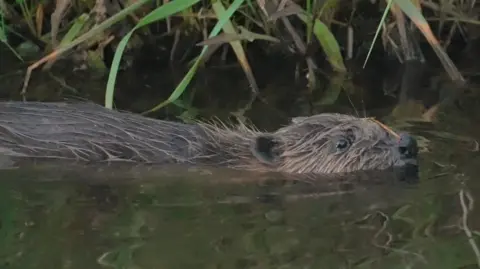
The family of beavers was captured so it could be microchipped and monitored
A greedy beaver's sweet tooth led to him being captured twice by rangers monitoring the animals' health.
National Trust rangers spent two months trying to capture the family of beavers at Wallington, in Northumberland, using tasty fruit and veg to lure them into a humane trap.
But after being caught and found to be in good health, the father of the family was captured again after he returned for more snacks.
"He seems to like going into the trap and getting all the parsnips," said lead ranger Helen McDonald.
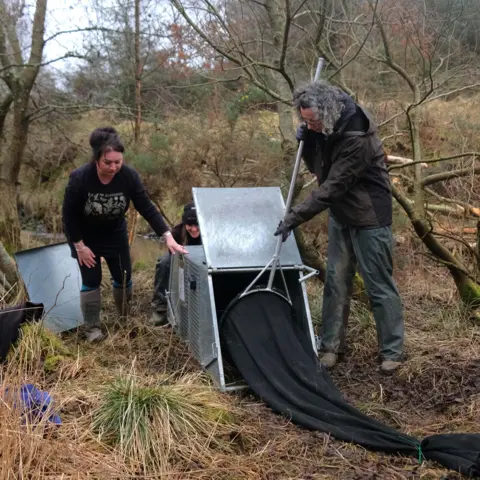
The beavers were captured using four large traps, which shut behind the animals when they step on a treadle inside.
McDonald said the equipment was filled with food such as carrots and apples, but the beavers had a particular love of parsnips because of their sweetness.
 National Trust
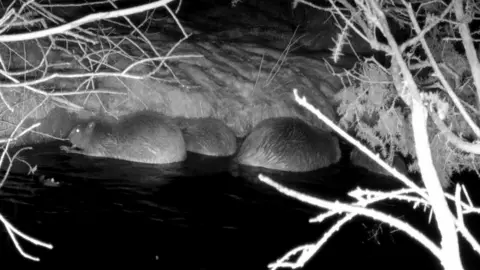
Beavers are nocturnal so the rangers leave the traps out overnight
There are nine beavers in the enclosure but many of the kits were born at Wallington, meaning the team was keen to check on the health of the youngsters and fit them with microchips.
Three of the kits were caught and all were found to be healthy.
The family of five beavers was first brought to the enclosure in Wallington from Tayside in Scotland in 2023.
Since her arrival the mother beaver has given birth twice - the first time to a single kit in 2024 and then to a litter of four last year.
 National Trust
The beavers are caught in metal traps which close behind them when they enter
"We see them all on cameras but we wanted to be able to microchip them so we can identify them individually," said McDonald.
"We only caught the two of them this time, so we'll try again from September - and by then we might have more kits from this summer."






 English (US) ·