
 2 hours ago
7
2 hours ago
7
ARTICLE AD BOX
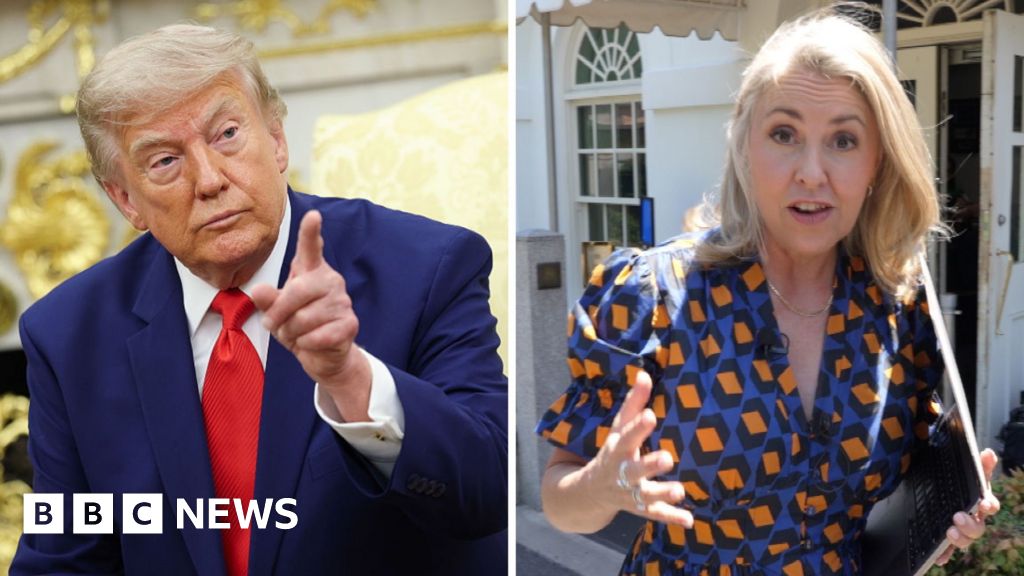
Lawyers for President Donald Trump's administration have withdrawn subpoenas attempting to compel testimony from New York Times reporters who had written about security concerns involving the new Air Force One plane.
The move came after a federal judge questioned why Trump officials were seeking records from three journalists and their families.
The paper had published stories alleging that the plane, a gift from Qatar, was not secure, and the Secret Service urged Trump to switch aircraft on his way home from a Nato summit in Turkey.
Trump officials had said the subpoenas were necessary to stop government secrets being leaked, while the Times called them "abusive and improper".
During a hearing on Thursday, Sean Buckley, chief counsel to the US attorney for the Southern District of New York, conceded in court that the Department of Justice made some procedural missteps in serving the legal summonses.
Judge Arun Subramanian told federal lawyers they could try again if they refiled new subpoenas.
After the hearing, a justice department spokesperson issued a statement rebuking the judge, a Biden appointee, while insisting the leak probe would continue.
"Make no mistake, this investigation remains ongoing, and we will pursue justice against those threatening national security by leaking classified information, a serious federal crime," said the statement.
In court papers challenging the government, attorneys for the New York Times had said that federal agents were seeking records from phones belonging to one journalist's mother, and another's spouse.
David McCraw, the Times's top newsroom lawyer, said in a statement: "Today's proceeding was an important affirmation of our country's commitment to a free press.
"We are pleased that the government finally conceded that the subpoenas violated the law, but they should never have been issued in the first place."
The subpoenas would have compelled the journalists to appear before a grand jury, which is a panel composed of members of the public and convened by the US government to decide if there is enough to charge a person with a crime.
The group Reporters Without Borders praised the ruling as "a victory for The New York Times and for every journalist who relies on confidential sources to report in the public interest".


 English (US) ·