
 2 months ago
64
2 months ago
64
ARTICLE AD BOX
Laura CressBBC Technology

 PA Media
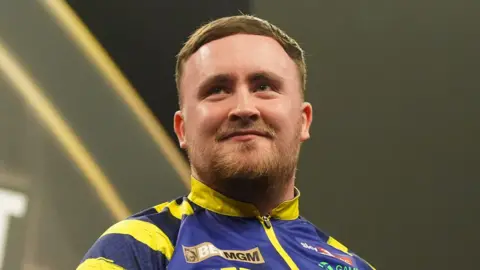
Teenager Littler beat Gerwyn Price in Dublin on Thursday night
Luke Littler, the youngest darts world champion in history, has applied to the Intellectual Property Office to trademark his face.
The move is intended to prevent his face being reproduced, including by generative AI, without permission.
Littler has won two World Championship titles in a row and has had his image used legally on darts merchandise, as well as by multiple brands such as KP Nuts.
The 19-year-old joins celebrities such as actor Matthew McConaughey who have filed to protect their likeness from AI misuse in recent months. In October 2025, Chelsea footballer Cole Palmer not only trademarked his autograph and facial image but also the term "Cold Palmer".
 PA Media
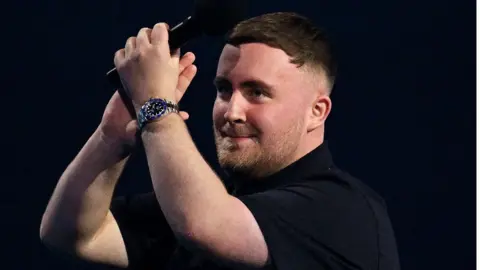
Littler's popularity saw him appear on stage at this year's Brit Awards in Manchester
Littler has already trademarked his nickname "the Nuke" in the United States.
Registering a trademark lets people or businesses legally protect their ideas or brand from being used without permission.
It also allows them to put a registered trademark symbol on their products to show ownership and warn others not to copy or use it.
Celebrities in Hollywood and the music industry, such as Scarlett Johansson and Taylor Swift, have been affected by a surge of fake videos, audio, and images online made using AI tools.
 PA Media
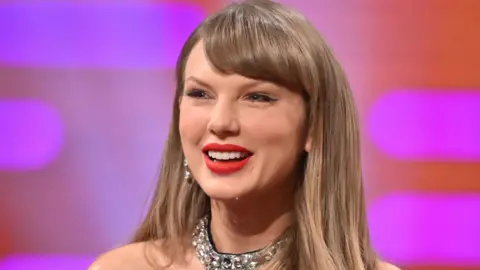
Internationally successful singer-songwriter Taylor Swift has seen her image misused by gen-AI
Louise Popple, a copyright expert at law firm Taylor Wessing, told the BBC part of the reason why celebrities went down the route of trademarking their appearance in the UK was the "lack of any image rights law".
She added while it was "unlikely" Littler would be able to stop anything other than a very similar image of his own face even with the trademark, the move signaled he was taking his rights "seriously", which could put off "opportunistic merchandising".
"Owning a registration can also help with licensing deals as it gives the celebrity 'something' to licence," she said.
'Smart branding decision'
Joe Doyle-Ward, Senior Associate and Trade Mark Attorney at Abion, one of the UK and Europe's leading intellectual property firms, told the BBC the move was a "smart branding decision" and one which firms were seeing happen more and more often with celebrities.
"The legal framework around AI and copyright is still evolving, but trademarks remain one of the most effective tools to control commercial use in the meantime," he said.
"It's not about stopping everyday use, but about ensuring that any commercial exploitation is authorised," he added.
The application is currently under examination at the Intellectual Property Office.

 English (US) ·