
 3 hours ago
8
3 hours ago
8
ARTICLE AD BOX
Northumbrian MP Ian Lavery has claimed mocking people with strong regional accents is is the last form of acceptable discrimination.
The Labour MP for Blyth and Ashington joined fellow MPs railing against those who look down on people because of how they speak, during a debate in Parliament.
Jo Platt, the Labour MP for Leigh and Atherton, led the Westminster Hall debate on regional accents and social mobility, explaining the pressure on people to change the way they speak in order to progress in life.
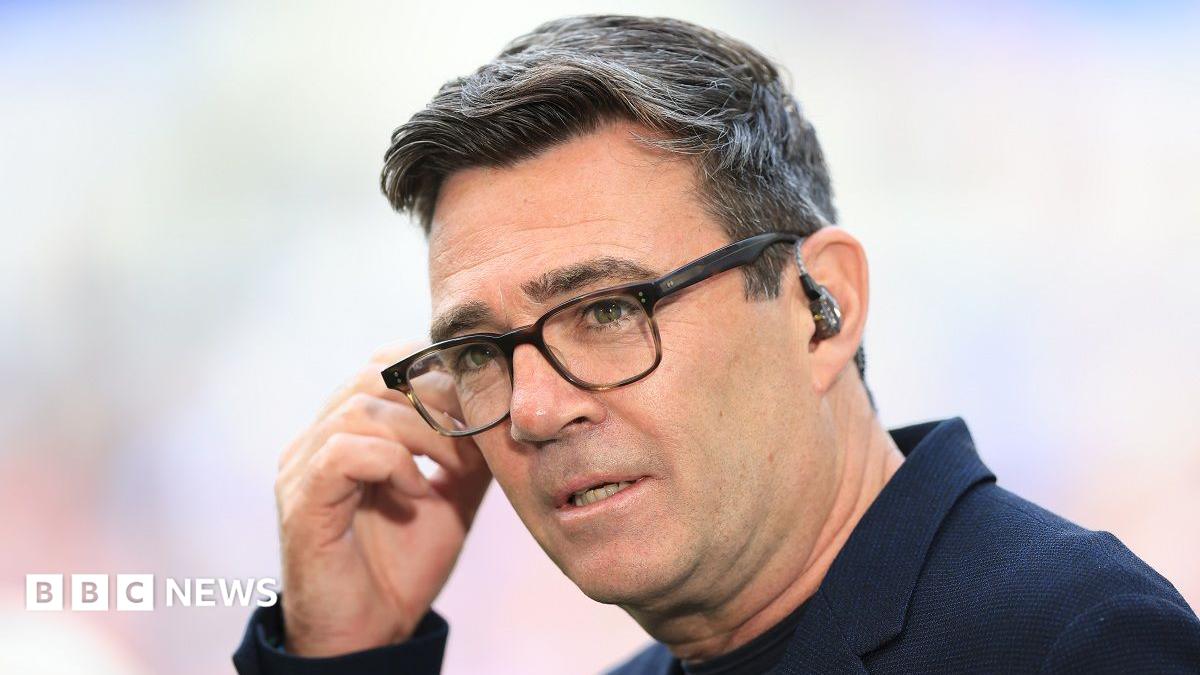
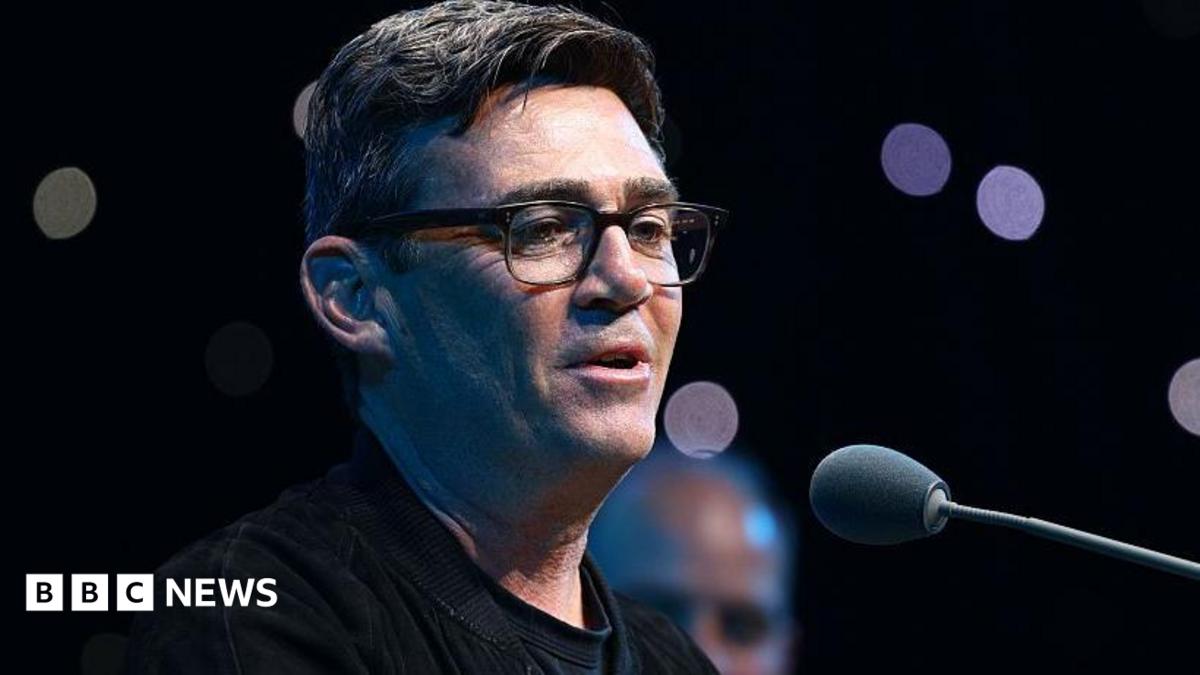
The debate came as fellow Mancunian, Andy Burnham, is about to become the prime minister.
Burnham has proposed a programme of devolution, including setting up a No 10 North, and MPs said the UK should also regain its pride in the cultural depth of regional accents.
Lavery said his accent was from the coal mines and showed who he was, where he was from and who he represented, but highlighted how there was still a stigma attached to strong accents by employers, forming a barrier for working class children.
"Many people are forced between maintaining an accent they're proud of or indeed ditching their accent to try to just even move on in life," he said.
"It's just not right - it's the last form of acceptable discrimination in this country and it's absolutely ridiculous."
He added: "It's the one that we suffer from the most - the social markers, the local dialect, who you are, and where you should be in life, because of how you speak."
Such accent bias can hold people back, agreed Platt, who said: "Long before we explain our politics, our profession, or our background, the moment we open our mouths our accents instantly signal a core part of who we are."
Platt said these barriers are not spoken about enough, saying that as a working class woman from Salford, she had also felt pressure to speak with a more neutral accent.
"I will admit there was a time when I wondered if softening my accent might make me sound more credible, more professional, more 'Westminster'," she said, adding: "I worried that the way I spoke would limit my prospects so I toned my accent down."





 English (US) ·