
 3 years ago
43
3 years ago
43
ARTICLE AD BOX
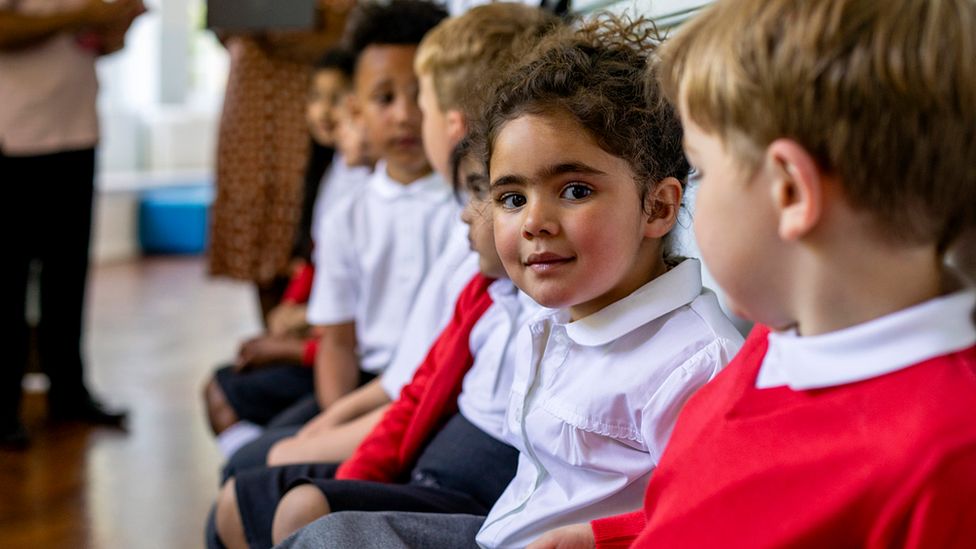 Image source, Getty Images
By Dearbail Jordan
Business reporter, BBC News
The UK economy grew by 0.3% in January as school attendance picked up and Premier League football returned after the World Cup, official figures show.
Gross domestic product (GDP) - a key measure of all the activity of firms, governments and individuals - bounced back from a sharp fall in December.
Growth was helped by a recovery in school attendance after more parents kept children home at the end of 2022.
The data comes ahead of the Budget next Wednesday.
Chancellor Jeremy Hunt will outline the government's plan to boost UK economic growth.
While there was a rebound in the month of January, the ONS figures also showed that the economy stagnated in the November to January period compared with the previous three months.
Reacting to the latest figures, Mr Hunt said: "In the face of severe global challenges, the UK economy has proved more resilient than many expected, but there is a long way to go."
Tina McKenzie, policy chair at the Federation of Small Businesses, said: "While January's figures are a glimmer of hope, the flat growth over the previous three months means we're not out of the woods yet, with tough trading conditions persisting for many small firms."
Darren Morgan, director of economic statistics at the Office for National Statistics (ONS), which collects and publishes the data, said that the UK economy had "partially bounced back" after shrinking by 0.5% in December.
"The main drivers of January's growth were the return of children to classrooms, following unusually high absences in the run-up to Christmas, the Premier League clubs returned to a full schedule after the end of the World Cup and private health providers also had a strong month," he said.
"Postal services also partially recovered from the effects of December's strikes."
But economists said that the fact that there was a bounce in January was not a surprise given a number of issues in December such as postal and rail strikes.
In education, school absences rose in December due to a spike in winter flu, Covid-19 as well as rising rates of Strep A, which can lead to scarlet fever.
The figures for January showed a fall in output in both the manufacturing and construction sectors.
"Looking beneath the surface, the figures suggest the economy is on weaker ground than it appears," said Ruth Gregory, deputy chief UK economist at Capital Economics.
She added that strike action in February may have hit growth and the impact of successive interest rate rises is yet to be felt by parts of the economy.
Last month, ambulance workers, teachers, nurses and some in the rail industry walked out.
"So we doubt January's strength will last and our hunch is that there will still be a recession," said Ms Gregory.
These numbers are better than expected but the economy still has not grown over three months - and that is what is expected again between January and March.
Consumers have proven more resilient so far to the rise in energy prices and interest rates.
The Budget forecasts next week will be from a better baseline than feared last time, thanks to energy prices starting to fall.
While avoiding a formal recession entirely is now possible, for now the overall trend in the economy is flat, with tax rises and the full effect of higher interest rates to come.
The UK continues to grapple with a high rate of price rises, or inflation, leading to a squeeze on the cost of living.
While it has fallen back slightly in recent months as wholesale gas prices have ticked lower, inflation remains at its highest level for nearly four decades.
The Bank of England has raised interest rates to 4% - the highest since 2008 - in an attempt to quell inflation. While that benefits some savers, it has also raised pressures on many mortgage holders.
Rebound
In January, however, a pause in industrial action by Royal Mail workers meant that activity by the postal industry and couriers services jumped by 6.4%. This compares to a 10.5% fall in December.
The education sector grew by 2.5% following a fall of 2.6% in December. In measuring GDP, the ONS looks at areas such as teachers' wages and how much investment has been made in schools.
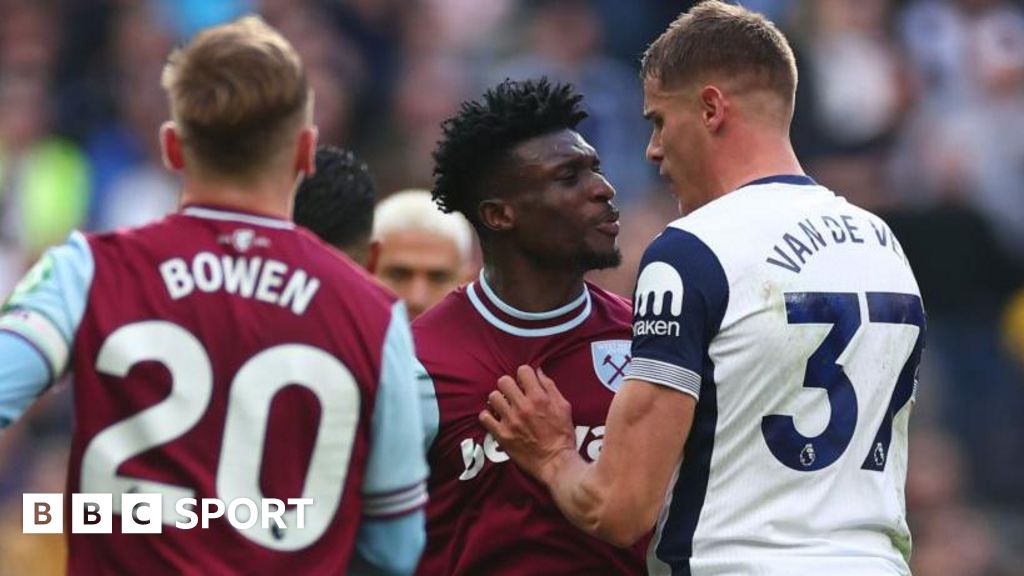
Activity in arts, entertainment and recreation also grew, mainly due to football. Premier League football returned to a full schedule following fixtures being postponed in December 2022 for the Fifa World Cup.



 English (US) ·